Why Hospital Waste Management in Kingston Is Important
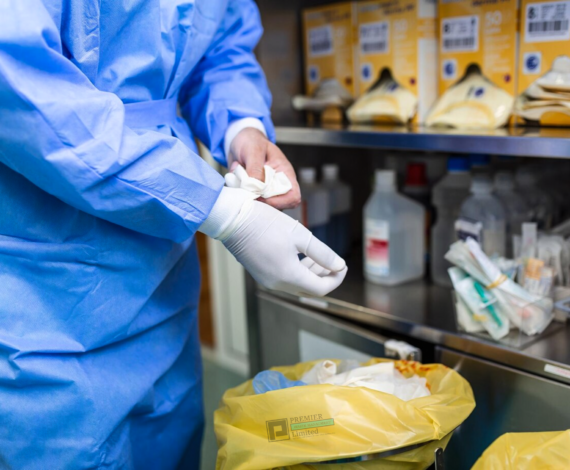
Effective Hospital Waste Management in Kingston is essential for maintaining safe hospital environments and protecting hospital patients, staff, visitors, and the surrounding community. Hospitals generate different types of waste during daily operations, and each category must be handled according to appropriate safety and disposal procedures.
1. Protecting Hospital Staff and Patients
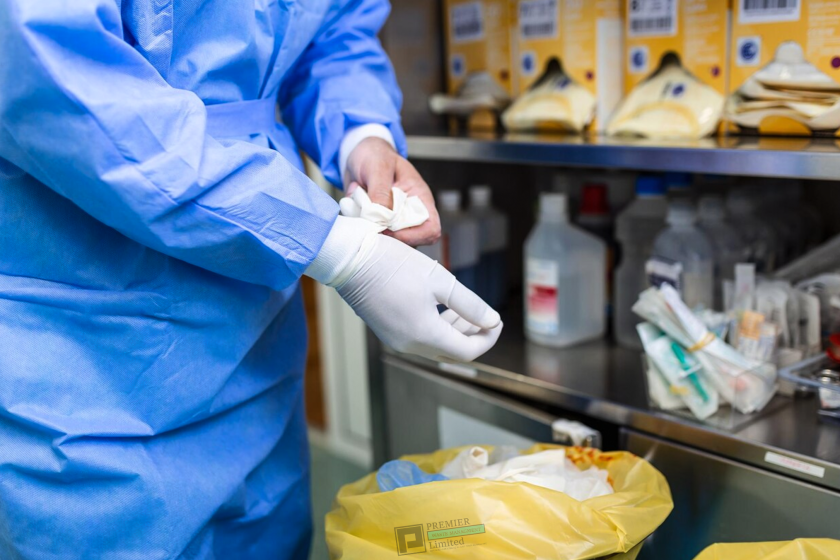
Proper hospital waste management helps reduce the risk of exposure to potentially infectious materials, contaminated items, and sharps. Correct segregation, collection, storage, and disposal procedures can help prevent accidental injuries and reduce the possibility of exposure to harmful materials within hospital premises.
2. Protecting the Environment
Hospitals must manage potentially hazardous waste responsibly to prevent inappropriate disposal from affecting soil, water, and surrounding areas. Proper collection, transportation, treatment, and disposal help hospitals reduce the environmental impact associated with hospital-generated waste.
3. Supporting Regulatory Compliance
Hospitals in Kingston need appropriate waste management procedures that support compliance with applicable Jamaican environmental, health, and safety requirements. Maintaining proper waste segregation, storage, transportation, treatment, and disposal records can also help hospitals demonstrate responsible waste management practices.
Key Hospital Waste Management Practices
1. Waste Segregation
Effective Hospital Waste Management in Kingston begins with separating waste at the point where it is generated. Hospitals should use clearly identified and appropriate containers for different waste categories, including infectious waste, sharps, hazardous waste, and general non-hazardous waste.
Proper segregation helps prevent different waste types from becoming mixed and allows each category to be handled and disposed of using the appropriate procedures.
2. Safe Collection and Transportation
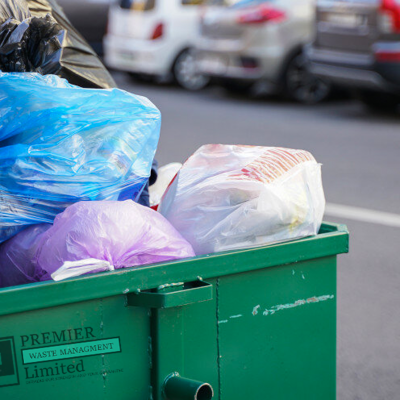
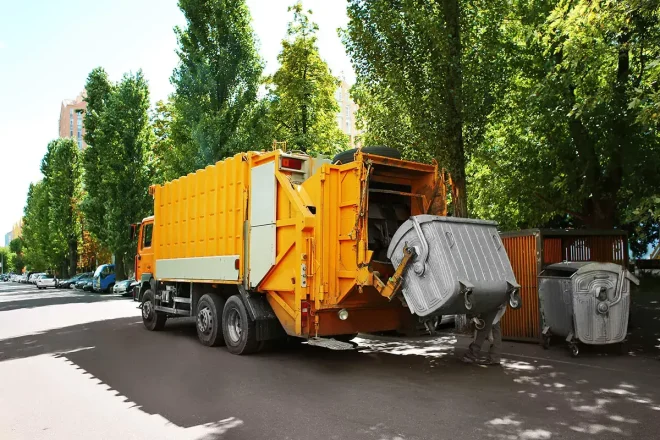
Hospital waste must be collected from designated areas using suitable containers and handled by trained personnel. Waste should be securely contained during internal movement and transportation to help prevent spills, exposure, and accidental contact.
Appropriate labeling, secure containers, and controlled transportation procedures are important parts of safe hospital waste management.
Hospital Waste Treatment and Disposal
Different categories of hospital waste may require different treatment or disposal methods. The appropriate method depends on the type and characteristics of the waste.
Autoclaving
Autoclaving uses high-pressure steam to treat certain types of infectious hospital waste. When applicable, this process can help reduce biological hazards before the waste is handled or disposed of further.
Incineration
Incineration involves controlled high-temperature treatment of certain waste streams. When properly managed and permitted, it can significantly reduce waste volume and destroy many potentially harmful biological materials.
Chemical Disinfection
Chemical disinfection may be used for certain hospital waste streams where an appropriate treatment process is required. The selected chemicals and procedures should be suitable for the specific waste and handled according to applicable safety requirements.
Hospital Waste Management Training
Hospital staff involved in waste handling should receive appropriate training on segregation, container use, storage, collection, and safe handling procedures. Regular training can help reduce handling errors and encourage consistent waste management practices throughout hospital facilities.
Premier Waste supports hospitals by providing professional waste management services focused on the safe and responsible handling of hospital-generated waste.
Proper Hospital Waste Management Infrastructure
Hospitals require suitable containers, designated storage areas, transportation equipment, and other resources to manage waste effectively. Appropriate infrastructure helps keep waste contained and separated while supporting safer collection and disposal processes.
A reliable waste management provider can also help hospitals maintain consistent procedures for the collection and handling of different hospital waste streams.
Regular Hospital Waste Management Audits
Regular reviews can help hospitals identify weaknesses in their waste management procedures. Hospitals can monitor the quantities of waste generated, collected, treated, and disposed of while reviewing storage, segregation, transportation, and documentation practices.
These audits can help hospitals improve their procedures and maintain consistent standards for hospital waste management.
Supporting Responsible Hospital Waste Management
Responsible hospital waste management requires cooperation between hospital management, staff responsible for waste handling, and professional waste management providers. Clear procedures and consistent implementation can help hospitals maintain safer working environments while reducing the potential environmental impact of improperly managed waste.
For hospitals in Kingston, choosing an experienced waste management provider can make the collection, transportation, treatment, and disposal of hospital waste more organized and reliable.
Choose Premier Waste for Hospital Waste Management in Kingston
Premier Waste provides professional Hospital Waste Management in Kingston with services designed specifically for hospitals. From safe collection and transportation to appropriate handling and disposal, Premier Waste helps hospitals manage their waste responsibly.
Hospitals looking for dependable hospital waste management services in Kingston, Jamaica can contact Premier Waste to discuss their specific waste management requirements.