
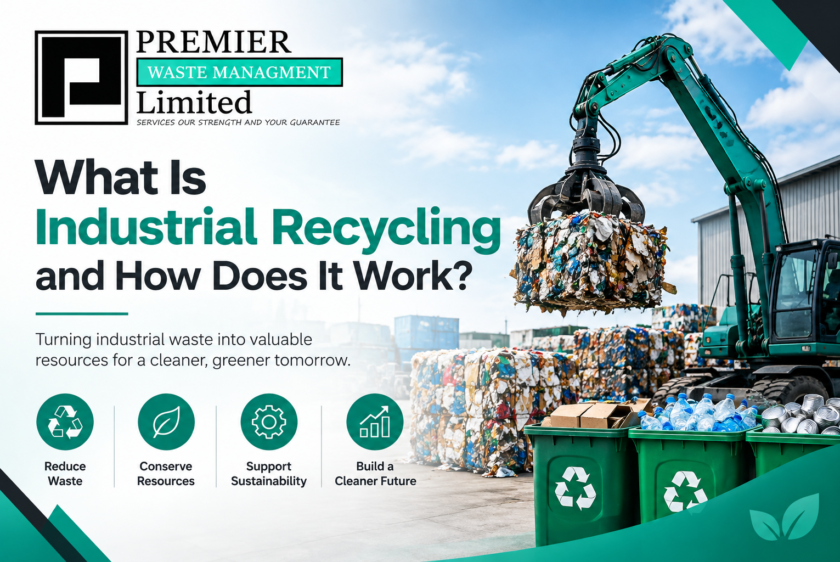
What Is Industrial Recycling and How Does It Work?
Industrial businesses generate different types of waste during manufacturing, packaging, construction, warehousing, and everyday operations. When these materials are mixed together or disposed of incorrectly, valuable resources can be lost, and waste management can become more challenging. Industrial recycling provides a practical way to recover reusable materials, reduce landfill waste, and support more responsible business operations.
For companies seeking Industrial recycling Kingston Jamaica, understanding the recycling process is an important first step toward improving waste handling. With a suitable recycling plan, businesses can identify recyclable materials, arrange appropriate collection, and direct recoverable resources toward suitable recycling facilities.
What Is Industrial Recycling?
Industrial recycling is the process of collecting, sorting, processing, and reusing materials generated by industrial and commercial activities. Instead of treating every discarded material as general waste, businesses separate recyclable items so they can be recovered and potentially used to manufacture new products.
Common industrial recyclable materials include:
- Cardboard and paper: Packaging boxes, office paper, and shipping materials.
- Metals: Suitable scrap metal from manufacturing and maintenance activities.
- Plastics: Recyclable containers, packaging, and selected production materials.
- Glass: Eligible glass containers and other accepted glass products.
- Wood: Reusable pallets, crates, and suitable untreated wood.
- Electronic equipment: Eligible electronic waste handled through appropriate recycling channels.
Not every material can be recycled through the same process. Acceptance depends on its composition, condition, contamination level, and the capabilities of available recycling facilities.
How Does Industrial Recycling Work?
Effective industrial recycling follows a structured process. Each stage helps businesses manage waste more efficiently and identify materials that may have further value.
1. Waste Assessment and Identification
The process begins by identifying the types and quantities of waste a business produces. A factory may generate scrap metal and plastic, while a warehouse may produce large volumes of cardboard and packaging.
Understanding these waste streams helps determine which materials can be recycled and what collection arrangements are required.
2. Separation and Storage
Recyclable materials should be separated from general waste wherever practical. Clearly label led containers and designated storage areas help prevent contamination and make collection easier.
Businesses should also keep hazardous or regulated waste separate and arrange appropriate handling where necessary.
3. Industrial Waste Collection
Once materials are sorted and stored, scheduled collection can move them to suitable recycling or processing facilities. Reliable Industrial waste collection Kingston Jamaica services help businesses maintain organized waste areas and avoid unnecessary accumulation.
Collection frequency should reflect the amount of waste generated, available storage space, site access, and operational requirements.
4. Sorting and Processing
At the receiving facility, recyclable materials may undergo additional sorting, cleaning, shredding, baling, or other processing. These steps prepare suitable materials for recovery and further use.
The exact process depends on the material. Metals, plastics, paper, and cardboard each require different handling and processing methods.
5. Material Recovery and Reuse
After processing, recovered materials may be supplied to manufacturers or other users as raw materials. This reduces the need for some virgin resources and supports a more circular approach to production.
Benefits of Industrial Recycling for Jamaican Businesses
Choosing appropriate Industrial recycling Kingston Jamaica solutions can offer several operational and environmental advantages.
- Reduced landfill waste: Diverting accepted recyclable materials can lower the volume of waste sent for disposal.
- Better resource efficiency: Recoverable materials can re-enter production and supply chains.
- Improved workplace organization: Clearly defined waste areas help maintain cleaner, more manageable facilities.
- Potential cost savings: Better segregation and collection planning may reduce avoidable disposal costs, depending on service charges and material values.
- Environmental responsibility: Recycling can conserve resources and reduce the environmental impact associated with producing certain materials from virgin resources.
Businesses should assess actual waste volumes, collection costs, and available recycling outlets to determine the most suitable approach.
Industrial Recycling Services in Kingston, Jamaica
Businesses looking for Industrial recycling services Kingston Jamaica should consider a provider that understands their waste streams, operating schedule, storage capacity, and collection requirements.
Premier Waste can be approached to discuss practical waste management options for commercial and industrial properties in Kingston. The right service arrangement starts with understanding the materials generated on-site and identifying appropriate collection and disposal routes.
How Premier Waste Can Support Your Business
Premier Waste provides a relevant point of contact for businesses seeking organized waste management solutions. Depending on the services available and the materials accepted, businesses can discuss requirements such as:
- Commercial and industrial waste collection.
- General waste removal and disposal arrangements.
- Waste handling plans suited to different property types.
- Collection frequency based on operational needs.
- Waste segregation and recycling opportunities.
- Construction debris and other suitable waste management requirements.
For companies exploring Industrial recycling Kingston Jamaica, it is important to confirm which materials can be collected for recycling, where they will be taken, and whether any materials require specialist handling. Not all industrial waste is recyclable, and hazardous waste may require authorized specialist providers.
By discussing your site’s requirements with Premier Waste, you can work toward a more organized waste management approach that supports your business operations and environmental objectives.
FAQs About Industrial Recycling
1. What materials can be recycled from industrial waste?
Common materials include cardboard, paper, eligible plastics, scrap metals, glass, and certain types of wood. Acceptance depends on material condition and local recycling capabilities.
2. Why is industrial recycling important?
It helps recover useful materials, reduce landfill waste, conserve resources, and improve waste handling practices.
3. How often should industrial waste be collected?
Collection frequency depends on waste volume, storage capacity, business activity, and the type of material being collected.
4. Is industrial recycling different from industrial waste disposal?
Yes. Recycling focuses on recovering materials for reuse or processing, while disposal refers to the final handling of waste that cannot be reused or recovered through available routes.
5. Can small businesses use commercial recycling services?
Yes. Small businesses may benefit from recycling arrangements tailored to their packaging, paper, plastic, and other eligible waste streams.
6. How can a business start industrial recycling in Kingston?
Begin by auditing waste streams, separating recyclable materials, identifying suitable collection options, and confirming the acceptance requirements of recycling facilities.
Conclusion: Make Industrial Recycling Part of Your Business Plan
Industrial recycling helps businesses manage discarded materials more responsibly while creating opportunities for resource recovery and improved operational efficiency. A well-planned system combines waste assessment, proper separation, reliable collection, and suitable recycling facilities.
If your business needs Industrial recycling Kingston Jamaica, contact Premier Waste to discuss your waste management requirements, collection options, and potential recycling opportunities. Start with a practical plan that fits your site, supports daily operations, and helps you manage waste more effectively.


