
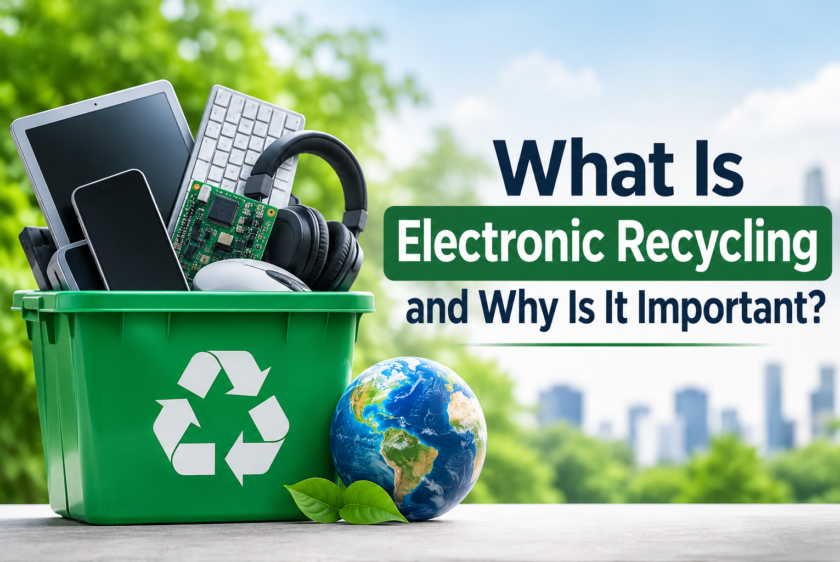
What Is Electronic Recycling and Why Is It Important?
Electronic devices have become an essential part of everyday life, from computers and smartphones to televisions, printers, and office equipment. However, when these products become outdated, damaged, or unwanted, disposing of them improperly can create environmental challenges. Electronic recycling offers a responsible way to manage old devices, recover valuable materials, and reduce the amount of electronic waste sent to landfills.
Understanding how electronic waste recycling works helps households, businesses, and organizations make better decisions about their unwanted equipment. By choosing appropriate recycling methods and professional waste management services, individuals and businesses can support environmental protection while improving their waste disposal practices.
What Is Electronic Recycling?
Electronic recycling is the process of collecting, sorting, dismantling, and processing discarded electrical and electronic equipment to recover reusable materials. Commonly known as e-waste recycling, it helps prevent potentially harmful substances from entering the environment while recovering materials that can be used in manufacturing new products.
Electronic devices may contain valuable resources, including copper, aluminum, steel, glass, and certain precious metals. They can also contain hazardous substances that require careful handling.
Common items accepted by recycling programs may include:
- Desktop computers, laptops, and tablets
- Mobile phones and electronic accessories
- Printers, scanners, and office equipment
- Televisions, monitors, and display screens
- Servers, networking devices, and IT equipment
- Selected electronic components and circuit boards
Acceptance policies vary by recycling provider, so it is important to confirm which materials can be collected and processed.
How Does Electronic Waste Recycling Work?
A professional recycling process typically involves several stages to ensure discarded equipment is handled appropriately.
1. Collection and Sorting
The process begins with electronic waste collection services that gather unwanted equipment from homes, offices, commercial premises, and industrial facilities. Items are sorted according to their type, condition, and material composition.
2. Reuse and Refurbishment
Equipment that remains functional may be suitable for repair, refurbishment, or reuse. Extending a device’s useful life can reduce demand for new products and delay waste generation.
3. Safe Dismantling
Devices that cannot be reused may be dismantled to separate batteries, circuit boards, cables, plastics, metals, and other components. Items requiring special handling are managed separately.
4. Material Recovery
Specialized processing methods recover recyclable materials for potential use in manufacturing. Responsible processors also manage non-recyclable and hazardous fractions according to applicable requirements.
5. Final Disposal
Materials that cannot be reused or recycled should be directed to appropriate disposal facilities. Proper handling reduces the risks associated with uncontrolled dumping and burning.
Why Is Electronic Recycling Important?
Protects the Environment
Discarded electronics may contain lead, mercury, and other hazardous substances, depending on the product. Improper dumping, burning, or dismantling can release harmful materials into soil, air, and water.
Responsible recycling helps reduce these risks and supports better environmental management.
Conserves Natural Resources
Recovering metals, glass, and other materials reduces the need to extract additional raw resources. This can help conserve natural resources and support more efficient manufacturing practices.
Reduces Landfill Waste
Electronic products contain materials that can remain in the environment for long periods. Recycling diverts suitable equipment and components away from landfills, helping reduce pressure on waste disposal systems.
Supports Data Security
Computers, smartphones, servers, and storage devices may contain confidential business information or personal data. Secure electronics recycling should include appropriate data sanitation or physical destruction of storage media when required.
Organizations should verify their provider’s data-handling procedures and documentation before handing over sensitive equipment.
Encourages a Circular Economy
A circular economy focuses on keeping products and materials in use for as long as possible. Reuse, repair, refurbishment, and recycling help reduce waste and make better use of existing resources.
Electronic Recycling Solutions for Businesses
Businesses often generate significant quantities of outdated electronic equipment during office upgrades, technology replacements, and operational changes. Without a clear disposal plan, these materials can accumulate and create storage, security, and environmental concerns.
Professional electronic recycling services can help organizations establish more organized processes for managing unwanted devices.
Business-focused services may include:
- Commercial electronics recycling: Managing equipment from offices, retail stores, and commercial facilities.
- IT equipment recycling services: Handling retired computers, servers, networking equipment, and related hardware.
- Bulk electronics recycling: Coordinating larger volumes of electronic waste.
- Office electronics recycling: Supporting workplace technology upgrades and equipment replacement.
- Industrial electronic waste recycling: Managing eligible electronic equipment generated by industrial operations.
- Computer recycling services: Recovering appropriate materials from desktops, laptops, and related equipment.
When evaluating electronic recycling companies, businesses should check accepted materials, collection arrangements, data security practices, processing methods, and applicable environmental requirements.
How to Choose a Responsible Recycling Provider
Finding electronics recycling near me may be a useful starting point, but proximity alone should not determine your choice.
Consider these factors before selecting a provider:
- Transparent processes: Ask how collected electronics are sorted, processed, and handled.
- Suitable collection options: Confirm whether an electronics recycling pickup service is available for your location and quantity.
- Data protection: Verify how devices containing sensitive information are managed.
- Environmental responsibility: Look for appropriate downstream processing and disposal arrangements.
- Clear service terms: Understand accepted materials, collection fees, scheduling, and documentation.
A reliable electronics recycling center or collection provider should explain its procedures clearly and help customers understand their responsibilities.
How Premier Waste Supports Responsible Waste Management
Premier Waste is committed to helping businesses and organizations manage waste through dependable, practical waste management solutions. With an emphasis on responsible handling and organized collection, the company aims to support cleaner facilities and more effective waste management practices.
For businesses reviewing their waste management procedures, Premier Waste can be a starting point for discussing suitable collection arrangements and operational requirements. Organizations should communicate the types and quantities of waste they generate so that appropriate services can be identified.
Electronic equipment requires specific handling considerations, particularly when devices contain batteries, hazardous components, or confidential data. Before arranging electronic waste collection, customers should confirm that the provider accepts their particular materials and can accommodate the required handling procedures.
Businesses seeking electronic recycling solutions should also consider separating reusable equipment, protecting stored data, and keeping appropriate disposal records. These steps can help make waste management more organized and environmentally conscious.
Premier Waste encourages businesses to take a proactive approach to waste reduction and responsible disposal. Contact the team to discuss your waste management requirements and determine which collection services are suitable for your facility. For specialized electronic equipment, confirm service availability and processing arrangements before scheduling collection.
Frequently Asked Questions
1. What items can be recycled through electronic recycling?
Commonly accepted items include computers, laptops, mobile phones, printers, monitors, servers, and selected electronic components. Acceptance depends on the recycling provider and its processing capabilities.
2. Why should electronic waste not go into regular rubbish bins?
Electronic devices may contain hazardous substances and recoverable materials. Separating them from general waste helps reduce environmental risks and allows suitable components to be reused or recycled.
3. How can businesses manage large amounts of electronic waste?
Businesses can arrange bulk electronics recycling, organize equipment inventories, separate reusable devices, and work with suitable collection providers. Sensitive storage devices should be sanitized or destroyed through an appropriate process.
4. Is it safe to recycle computers containing personal information?
Yes, when data is handled appropriately. Back up important files, sign out of accounts, and use verified data sanitation or physical destruction procedures before transferring devices.
5. What is the difference between reuse and recycling?
Reuse means continuing to use a product, often after repair or refurbishment. Recycling involves processing discarded equipment to recover materials for use in new products.
6. How do I find an electronic recycling provider?
Search for local recycling services, confirm the provider accepts your equipment, and ask about collection options, processing practices, data security, and fees before arranging service.
Conclusion: Make Electronic Waste Management a Priority
Responsible electronic waste management helps conserve resources, reduce landfill waste, protect the environment, and improve data security. Households and businesses can make a meaningful difference by extending equipment life, separating unwanted devices, and choosing appropriate recycling and disposal methods.
Ready to improve your waste management practices? Contact Premier Waste to discuss your collection needs and explore suitable waste management services for your business. Confirm electronic equipment acceptance and specialized handling requirements before arranging collection.


