
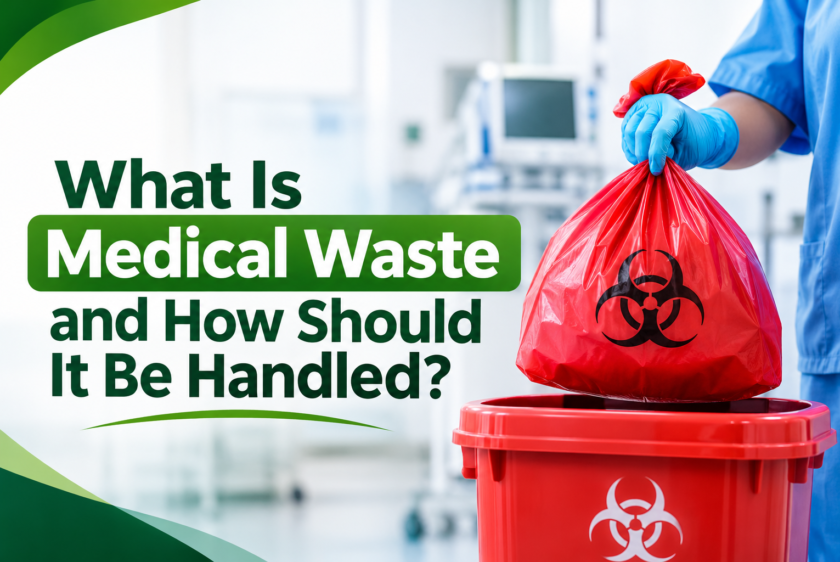
What Is Medical Waste and How Should It Be Handled?
Medical waste is generated every day by hospitals, clinics, laboratories, dental practices, and other healthcare facilities. When handled incorrectly, it can expose healthcare workers, patients, waste handlers, and the wider community to infections, injuries, and environmental hazards. Proper handling is essential for maintaining a safe healthcare environment and meeting applicable waste management requirements.
Medical waste disposal involves the safe collection, segregation, storage, transportation, treatment, and final disposal of waste produced during medical and healthcare activities. Understanding how different waste types should be managed helps healthcare facilities reduce risks, improve hygiene, and protect the environment.
What Is Medical Waste?
Medical waste refers to discarded materials generated during medical diagnosis, treatment, vaccination, laboratory testing, and related healthcare activities. Some waste resembles ordinary household rubbish, while other materials require specialized handling because they may contain infectious organisms, hazardous chemicals, or pharmaceutical substances.
Effective healthcare waste management begins with identifying each waste category and applying appropriate procedures.
Common Types of Medical Waste
- Infectious waste: Materials contaminated with blood, bodily fluids, or potentially harmful microorganisms.
- Sharps waste: Needles, syringes with needles, scalpels, lancets, and other sharp objects that may cause injuries.
- Pharmaceutical waste: Expired, unused, or contaminated medicines that require appropriate disposal.
- Pathological waste: Human tissues, organs, and other biological specimens generated through medical procedures.
- Chemical waste: Laboratory reagents, disinfectants, and certain cleaning substances that may present chemical hazards.
- General healthcare waste: Non-hazardous packaging, paper, and other materials that have not been contaminated.
Understanding these categories helps facilities select suitable containers, handling procedures, and treatment methods.
Why Is Proper Medical Waste Handling Important?
Incorrect waste handling can create serious health and environmental problems. Contaminated materials may spread infections, while improperly discarded needles can cause puncture injuries. Certain chemicals and medicines can also contaminate water, soil, and surrounding environments if released without appropriate controls.
Professional medical waste management services help healthcare providers establish safer, more consistent disposal practices.
Key benefits include:
- Protecting healthcare professionals, patients, and waste collection workers.
- Reducing the risk of infection and sharps-related injuries.
- Preventing hazardous materials from entering general waste streams.
- Supporting compliance with applicable environmental and public health requirements.
- Improving workplace hygiene and waste management procedures.
- Encouraging responsible treatment and disposal practices.
Facilities should follow the regulations applicable to their location and the specific waste they generate.
How Should Medical Waste Be Handled?
Safe handling requires a structured process, from the point where waste is generated to its final treatment or disposal.
1. Separate Waste at the Source
Waste should be segregated immediately after it is generated. Infectious materials, sharps, pharmaceuticals, chemicals, and general rubbish should not be mixed indiscriminately.
Use clearly identified, suitable containers according to local requirements and the type of waste. Correct segregation helps prevent contamination and reduces unnecessary treatment costs.
2. Use Appropriate Containers and Protective Equipment
Healthcare staff should place waste in containers designed for the relevant material. Sharps must go into approved, puncture-resistant sharps containers rather than ordinary plastic bags.
Workers handling potentially hazardous waste should use appropriate personal protective equipment, such as gloves, protective clothing, and eye protection where necessary.
3. Store Waste Securely
Temporary storage areas should be secure, clearly designated, appropriately ventilated where required, and protected against unauthorized access, pests, and leakage.
Facilities should establish collection schedules and avoid allowing waste to accumulate beyond permitted storage periods. Infectious and other hazardous materials may require specific temperature or containment controls.
4. Arrange Safe Collection and Transportation
Professional medical waste collection services help move regulated waste from healthcare facilities to suitable treatment or disposal locations.
Waste should be packaged, labelled, documented, and transported according to applicable requirements. Staff should never manually compress waste bags or reach into containers to retrieve discarded items.
5. Apply Appropriate Treatment and Final Disposal
Treatment depends on the waste category and applicable regulations. Approved methods may include autoclaving, other validated disinfection processes, specialized pharmaceutical waste treatment, or permitted high-temperature incineration for appropriate waste streams.
Not every waste type can be treated using the same method. Hazardous chemicals, certain pharmaceuticals, and pathological materials may require specialized solutions.
Who Needs Professional Medical Waste Disposal Services?
Many organizations generate waste that requires specialized handling, including:
- Hospitals and emergency care centers.
- Medical and dental clinics.
- Diagnostic and research laboratories.
- Veterinary practices.
- Nursing homes and healthcare facilities.
- Pharmacies and pharmaceutical businesses.
- Medical research and testing facilities.
A qualified medical waste disposal company can help assess waste streams, establish collection arrangements, and recommend suitable handling procedures.
Facilities searching for medical waste disposal near me should assess a provider’s experience, permitted service scope, collection reliability, documentation practices, and compliance with local requirements rather than choosing solely on price.
How Premier Waste Supports Responsible Waste Management
Premier Waste helps organizations approach waste management with a focus on safety, reliability, and responsible handling. For healthcare facilities and other businesses requiring specialized waste solutions, selecting an experienced service provider is an important step toward maintaining cleaner premises and reducing waste-related risks.
Through professional waste management practices, Premier Waste aims to support safer, more organized waste handling while helping businesses manage their operational responsibilities. Appropriate collection arrangements, clear communication, and dependable service coordination can help organizations maintain better control over the waste they generate.
When evaluating medical waste collection or removal requirements, healthcare providers should consider the type and volume of waste produced, the frequency of collection needed, and any special handling or documentation requirements. These details help establish a suitable service plan.
Premier Waste also recognizes the importance of responsible disposal practices in protecting communities and the environment. Healthcare organizations should confirm that their chosen provider is appropriately authorized and that the proposed treatment and disposal arrangements meet all applicable regulations.
For organizations in Jamaica seeking professional waste management support, Premier Waste offers a starting point for discussing waste collection requirements and identifying suitable service options. Contact the team to discuss your operational needs and determine the appropriate arrangements for your facility.
Contact Premier Waste:
- Website: https://premierwasteja.com/
- Email: admin@premierwasteja.com
- Phone: +1 (876) 236-4109
Important: Confirm directly with Premier Waste which regulated healthcare waste categories and specialized treatment services it currently accepts before arranging medical waste collection.
Frequently Asked Questions
1. What is medical waste?
Medical waste is material discarded during healthcare, diagnosis, treatment, laboratory testing, and related activities. It may include infectious materials, sharps, pharmaceuticals, chemicals, and non-hazardous healthcare rubbish.
2. How should medical waste be separated?
Waste should be segregated where it is generated using appropriate, clearly identified containers. Sharps, infectious waste, pharmaceuticals, chemicals, and general waste should be kept separate according to applicable procedures and regulations.
3. Why is professional medical waste disposal important?
Professional handling helps reduce exposure to infectious materials, prevent sharps injuries, support regulatory compliance, and ensure waste reaches an appropriate treatment or disposal facility.
4. How is infectious medical waste treated?
Depending on its characteristics and local requirements, infectious waste may undergo validated autoclaving, approved disinfection, or another authorized treatment method before final disposal.
5. Can medical waste be placed in regular rubbish bins?
Only waste classified as non-hazardous and suitable for ordinary disposal should enter general waste streams. Infectious materials, sharps, and other regulated waste require appropriate segregation and handling.
6. How often should medical waste be collected?
Collection frequency depends on the amount and type of waste generated, storage conditions, applicable regulations, and the facility’s operational needs. Healthcare facilities should establish a suitable collection schedule and follow required storage limits.
7. How can a healthcare facility choose a medical waste provider?
Look for relevant authorization, experience with the required waste categories, appropriate transportation and treatment arrangements, reliable collection schedules, transparent pricing, and suitable documentation.
Conclusion
Safe healthcare waste handling protects people, supports environmental responsibility, and helps healthcare facilities maintain effective infection prevention practices. From proper segregation and secure storage to compliant transportation and treatment, every stage matters.
Choosing appropriate medical waste disposal procedures and a qualified service provider can make waste management safer and more efficient. Review your facility’s current practices, train staff regularly, and ensure every waste category receives the correct handling.
Need reliable waste management support? Contact Premier Waste to discuss your requirements and explore suitable collection solutions for your organization.


