
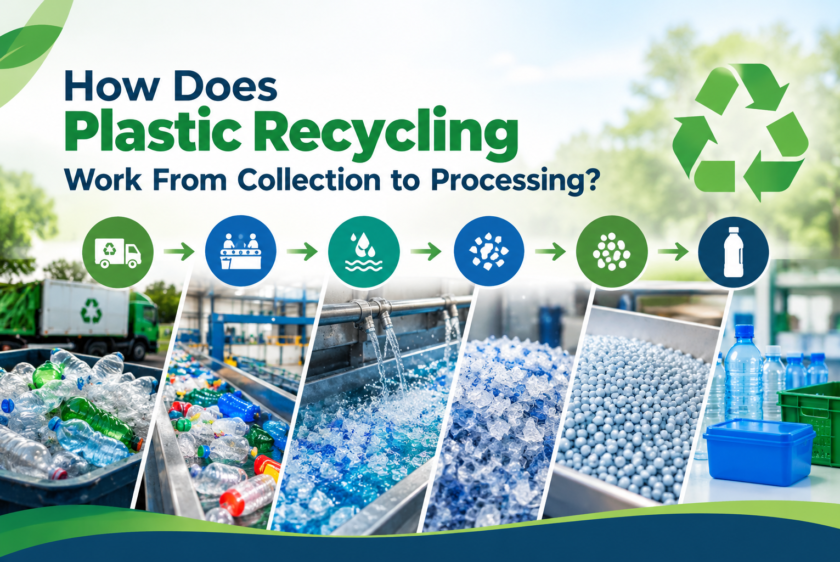
How Does Plastic Recycling Work From Collection to Processing?
Plastic waste is a growing environmental challenge for households, businesses, and industries. Plastic packaging, bottles, containers, and other discarded materials can accumulate in landfills or pollute the environment when they are not managed properly. Understanding how plastic recycling works helps businesses make informed decisions about waste disposal, resource recovery, and environmental responsibility.
The recycling process involves several stages, including collection, sorting, cleaning, processing, and manufacturing new products. Each stage plays an important role in turning suitable plastic waste into reusable materials. With professional waste management support, businesses can improve waste handling practices and contribute to a more sustainable future.
What Is Plastic Recycling?
Plastic recycling is the process of collecting and processing suitable plastic materials so they can be converted into raw materials for manufacturing new products. Instead of treating all discarded plastic as waste, recycling allows recoverable materials to remain in productive use.
Common recyclable plastic materials include:
- PET plastic used in beverage bottles.
- HDPE plastic used in detergent containers and some packaging.
- PP plastic used in selected food containers and industrial products.
- Certain other plastic packaging materials, depending on local recycling capabilities.
Not every plastic item can be recycled through every facility. Material type, contamination, product design, and available processing technology influence whether an item can be recovered.
How Does Plastic Recycling Work?
1. Plastic Waste Collection
The process begins when plastic waste is collected from households, commercial premises, manufacturing facilities, warehouses, and other locations. Effective collection helps prevent recyclable materials from becoming mixed with general waste.
Businesses can support better recovery by separating suitable plastic packaging, containers, and other recyclable materials at the source.
Professional plastic recycling services can help organizations establish appropriate collection arrangements and improve how recyclable waste is handled.
2. Sorting and Separation
After collection, plastic materials are sorted according to their resin type, color, and other characteristics. Sorting may involve manual inspection, automated equipment, optical sensors, and density-based separation techniques.
Proper sorting is essential because different plastics have different melting points and processing requirements. Mixing incompatible materials can reduce the quality of the recycled output.
3. Cleaning and Contamination Removal
Collected plastics may contain food residue, labels, adhesives, dirt, or other unwanted substances. Cleaning removes contaminants that could affect processing and the quality of the final material.
Depending on the plastic type and facility, cleaning may involve washing, rinsing, and drying. Materials that are heavily contaminated or unsuitable for the available process may need alternative management.
4. Shredding and Size Reduction
Once sorted and cleaned, suitable plastics are often shredded into smaller pieces known as flakes. Size reduction makes the material easier to handle and prepares it for subsequent processing.
Equipment and processing methods vary according to the material being recycled. Some facilities may use additional separation steps to improve material purity before proceeding.
5. Processing and Pellet Production
In mechanical recycling, compatible plastic flakes are typically melted and extruded before being cut into small pellets. These pellets can serve as raw material for manufacturing, subject to their quality and intended application.
Some plastics may require different technologies, while unsuitable or heavily degraded materials may not be recoverable through conventional mechanical recycling.
6. Manufacturing New Products
The final stage involves using recovered plastic material to manufacture new products. Depending on its properties and quality, recycled plastic may be used in packaging, construction products, containers, textiles, and other applications.
This process can reduce demand for virgin plastic and help conserve resources. However, the environmental benefits depend on factors such as collection efficiency, transport distances, processing requirements, and the actual end use of the recovered material.
Why Plastic Waste Management Matters for Businesses
Effective plastic waste management helps businesses maintain cleaner premises, improve waste segregation, and identify opportunities to recover useful materials.
Key benefits include:
- Better resource recovery: Suitable plastics can be redirected towards recycling instead of disposal.
- Improved workplace organization: Dedicated waste streams can make waste handling more systematic.
- Environmental responsibility: Appropriate waste practices can help reduce unnecessary landfill disposal.
- Operational efficiency: Clear collection procedures can reduce confusion and improve waste storage.
- Better reporting: Documented collection and disposal practices can support internal sustainability reporting.
Businesses should assess their waste streams before choosing a recycling solution and confirm which materials their selected provider can accept.
How Premier Waste Supports Responsible Waste Management
Premier Waste Management supports organizations seeking dependable waste handling solutions across Jamaica. For businesses generating plastic packaging and other commercial waste, establishing an organized collection system is an important step towards better resource management.
Through professional waste management support, businesses can work towards cleaner premises, more consistent waste handling, and improved separation of recyclable materials where suitable recovery options are available.
Plastic waste collection services can form part of a broader waste management approach for commercial premises, helping businesses organize waste removal and identify appropriate next steps for recyclable materials. Collection arrangements should be based on the waste generated, site requirements, and available processing options.
Premier Waste Management also supports businesses looking for practical waste management solutions that fit their operational needs. Organizations interested in commercial plastic recycling should discuss their material types, collection frequency, storage arrangements, and recycling objectives with an appropriate provider.
When evaluating plastic recycling companies, businesses should consider collection reliability, accepted materials, handling procedures, and transparency about where collected waste goes. Recycling claims should reflect the actual services and recovery routes available.
To explore waste management options for your business, visit Premier Waste Management or contact the team at admin@premierwasteja.com or +1 (876) 236-4109 to discuss your requirements.
Frequently Asked Questions
1. What are the main stages of plastic recycling?
The main stages are collection, sorting, cleaning, shredding, processing, and manufacturing new products. The exact steps depend on the plastic type and recycling technology.
2. Which types of plastic can be recycled?
PET and HDPE are commonly recycled, while PP and other plastics may also be accepted. Acceptance depends on local facilities, material condition, and processing capabilities.
3. Why is plastic sorting important?
Sorting separates different plastic types and removes unsuitable materials. This helps prevent contamination and improves the quality of recovered plastic.
4. Can all plastic waste be recycled?
No. Some plastics are difficult to process because of their composition, mixed materials, contamination, or limited recycling infrastructure. Some waste requires alternative disposal or treatment.
5. How can businesses improve plastic recycling?
Businesses can separate recyclable materials at the source, use clearly labeled containers, keep plastic waste as clean as practical, and work with a suitable waste management provider.
6. Does recycling plastic reduce environmental impact?
It can reduce demand for virgin materials and divert suitable waste from disposal. The overall benefit depends on collection, transport, processing efficiency, and the quality of the recovered material.
7. How can Jamaican businesses arrange plastic waste collection?
Businesses can contact a local waste management provider to discuss their waste types, collection needs, and available recycling options. Premier Waste Management can be contacted to discuss suitable waste management services.
Conclusion: Make Plastic Waste Management More Effective
Understanding the journey from collection to processing helps businesses recognize why sorting, contamination control, and reliable collection matter. When suitable materials are managed correctly, recycling can recover valuable resources and support more responsible waste practices.
Premier Waste Management helps businesses in Jamaica explore practical waste management solutions tailored to their operational requirements.
Ready to improve your business’s waste management practices? Visit premierwasteja.com or contact Premier Waste Management today to discuss your waste collection and management needs.


