
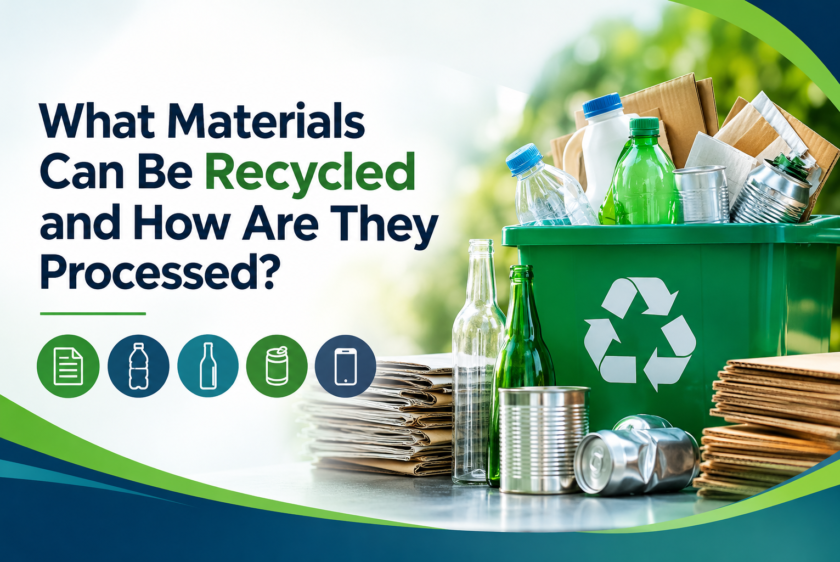
What Materials Can Be Recycled and How Are They Processed?
Recycling helps reduce waste, conserve natural resources, and support a cleaner environment. From paper packaging to metal cans, many everyday items can be collected and processed into materials for new products. However, not everything belongs in a recycling bin, and proper sorting is essential to avoid contamination.
Understanding how recycling works allows households and businesses to make better waste management decisions. In Jamaica, responsible waste practices can help communities and organizations reduce the amount of waste sent to disposal facilities. With support from a reliable waste management provider like Premier Waste, businesses can explore practical ways to handle recyclable materials more responsibly.
What Materials Can Be Recycled?
Different materials require different collection, sorting, and processing methods. The following are among the most commonly recyclable materials, depending on local facilities and collection requirements.
1. Paper and Cardboard
Newspapers, office paper, cardboard boxes, and many paper packaging products can be recycled when clean and dry.
How they are processed:
- Collected paper is sorted by grade and type.
- Materials are shredded and mixed with water to create pulp.
- Contaminants, ink, and other unwanted substances are removed.
- The pulp is processed into new paper products or packaging.
Greasy pizza boxes, wet paper, and heavily contaminated cardboard may not be accepted by every recycling facility.
2. Plastic
Plastic bottles, containers, and selected packaging can be recycled when the material type is accepted by the local facility. Different plastics have different recycling requirements.
How they are processed:
- Plastics are sorted by resin type and color.
- Containers are cleaned to remove food residue and labels where required.
- Materials are shredded into small flakes.
- The flakes are melted and formed into pellets or other usable feed-stock.
Not all plastic bags, films, and mixed-material packaging can be processed through standard collection programs. Check local acceptance rules before disposal.
3. Glass
Glass bottles and jars are commonly recyclable, although acceptance depends on local collection arrangements. Ceramics, mirrors, and window glass usually require different handling.
How they are processed:
- Glass is sorted by color and type where necessary.
- Contaminants such as caps and other materials are removed.
- The glass is crushed into small pieces called culled.
- The culled is melted and manufactured into new glass products.
Keeping recyclable glass separate from unsuitable materials helps maintain quality and improve processing efficiency.
4. Metals
Aluminum cans, steel food cans, and certain scrap metal items can often be recycled. Metal recycling helps conserve resources and reduce the need to extract new raw materials.
How they are processed:
- Metals are separated using manual sorting, magnets, or other equipment.
- The materials are cleaned and compressed into bales.
- Metal is melted in suitable industrial furnaces.
- The recovered metal is shaped into raw material for manufacturing.
Always check whether a collection provider accepts particular metal items, especially large or industrial materials.
5. Electronic Waste
Old computers, phones, printers, and other electronic equipment may contain recoverable metals, plastics, and glass. They can also contain hazardous components that require careful handling.
Electronic waste should be delivered to an appropriate collection or processing facility rather than placed in ordinary recycling bins. Batteries and damaged electronics may require separate arrangements.
How Does the Recycling Process Work?
Although processing methods vary, most recycling programs follow several key stages:
- Collection: Recyclable materials are collected from homes, offices, commercial facilities, or designated drop-off points.
- Sorting: Materials are separated by type to prevent contamination and improve recovery.
- Cleaning and preparation: Food residue, labels, and unsuitable materials are removed where necessary.
- Processing: Materials are shredded, pulped, crushed, or melted, depending on their composition.
- Manufacturing: Recovered materials become inputs for new products and packaging.
- Reuse in the supply chain: Manufacturers purchase and use recycled feed-stock to produce goods.
Effective recycling depends on proper sorting at the source. Keeping paper dry, emptying containers, and following collection guidelines can make a meaningful difference.
How Premier Waste Supports Responsible Waste Management in Jamaica
Premier Waste helps organizations approach waste management with greater structure and responsibility. For businesses seeking commercial recycling services in Kingston, understanding waste streams is an important first step toward identifying recyclable materials and improving disposal practices.
Practical Solutions for Different Facilities
Every property produces different types and quantities of waste. Offices may generate paper and cardboard, retail businesses may dispose of packaging, and residential complexes may produce a mixture of household recyclables and general waste.
Premier Waste can help businesses assess their waste management needs and explore appropriate collection arrangements. Clear procedures for separating recyclable materials from general waste can help improve workplace organization and reduce avoidable contamination.
Supporting Business Recycling Practices
Businesses looking for waste recycling services in Jamaica should consider collection frequency, material acceptance requirements, storage space, and staff responsibilities. A consistent approach makes it easier to manage recyclable materials without disrupting daily operations.
Premier Waste encourages organizations to consider recycling as part of a broader waste management strategy. Depending on the materials accepted and services available, businesses can explore recycling collection services in Kingston and suitable waste handling options.
Building a Cleaner Future
Responsible waste management involves more than removing unwanted materials. It also requires informed decisions about reducing waste, reusing suitable items, separating recyclables, and choosing appropriate disposal routes.
By working with a waste management provider and following local requirements, businesses can develop more consistent waste handling practices. Premier Waste is a useful starting point for organizations seeking to understand their waste collection needs and identify practical ways to manage materials responsibly.
Frequently Asked Questions
1. What materials can commonly be recycled?
Paper, cardboard, selected plastics, glass bottles and jars, and many metal cans are commonly recyclable. Acceptance depends on local facilities and collection rules.
2. Can all plastics be recycled?
No. Different plastics require different processing methods, and some packaging cannot be handled by standard recycling programs. Check the recycling instructions for your area.
3. Why should recyclable materials be clean?
Food, liquids, grease, and other contaminants can lower material quality and make processing more difficult. Empty and rinse containers when required by your local program.
4. How is paper turned into new products?
Paper is sorted, shredded, mixed with water to create pulp, cleaned, and formed into new paper products through manufacturing processes.
5. What happens to recycled metals?
Metals are sorted, cleaned, and melted before being formed into materials that manufacturers can use to make new products.
6. Can businesses arrange recycling collection in Kingston?
Businesses can explore suitable collection arrangements based on their materials, quantities, and service requirements. Contact a local waste management provider to confirm available services and accepted materials.
7. How can a business improve its recycling practices?
Provide clearly labeled bins, train employees, keep recyclable materials separate, establish collection routines, and review contamination or waste reduction opportunities regularly.
Conclusion: Make Recycling Part of Your Waste Management Plan
Recycling turns suitable waste materials into valuable resources while helping conserve raw materials and reduce pressure on disposal facilities. Paper, cardboard, plastic, glass, metals, and certain electronics can be recovered through different processing methods when collected and sorted correctly.
For households and businesses, the most effective approach begins with understanding which materials are accepted locally and separating them properly. If your organization needs guidance on collection arrangements or responsible waste handling, contact Premier Waste to discuss your requirements and explore suitable waste management solutions in Kingston, Jamaica.


