
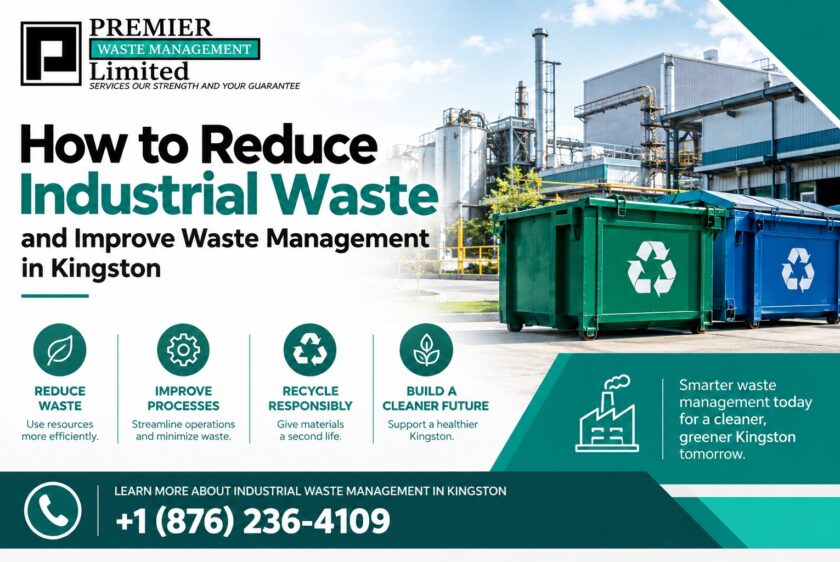
How to Reduce Industrial Waste and Improve Waste Management in Kingston
Industrial businesses generate many different types of waste, from packaging and production materials to electronic equipment, chemicals, and general refuse. Without a structured system, these materials can increase operating costs, create workplace risks, and place unnecessary pressure on local waste infrastructure.
Effective industrial waste management Kingston Jamaica businesses can rely on starts with understanding where waste comes from and finding practical ways to prevent, reuse, recycle, and properly dispose of it. A well-designed waste program can help companies maintain cleaner facilities while supporting more responsible environmental practices.
Why Industrial Waste Reduction Matters
Reducing waste is often more efficient than simply dealing with waste after it has been produced. Businesses can begin by reviewing their daily operations and identifying materials that are unnecessarily discarded.
Conduct a Waste Audit
A waste audit provides a clearer picture of what a facility throws away. Businesses should examine:
- Types and quantities of waste generated
- Where waste is produced
- Recyclable materials being discarded
- Opportunities to reuse materials
- Disposal practices and collection frequency
- Potentially hazardous or sensitive waste streams
The results can help management establish realistic waste-reduction targets.
Practical Ways to Reduce Industrial Waste
Industrial waste reduction Kingston businesses can implement does not always require major operational changes. Small improvements across purchasing, production, storage, and disposal can make a meaningful difference.
Reduce Waste at the Source
Companies should consider purchasing materials in appropriate quantities, reducing unnecessary packaging, and improving inventory management. Preventing damaged or expired materials can also reduce the amount of waste requiring disposal.
Reuse Materials Where Appropriate
Some containers, packaging materials, pallets, and production resources may be reused where operationally suitable. Establishing internal reuse procedures can reduce unnecessary purchasing and disposal.
Separate Waste Correctly
Mixing recyclable and general waste makes recovery more difficult. Clearly labeled collection points can encourage employees to separate paper, cardboard, plastics, metals, electronics, and other appropriate materials.
Improve Industrial Waste Disposal
Responsible industrial waste disposal Kingston companies use should account for the characteristics of each waste stream. Industrial materials should not automatically be treated as ordinary household waste.
Businesses should establish procedures for storing, handling, collecting, transporting, and disposing of different materials. Particular attention should be given to hazardous substances, electronic waste, confidential materials, and other waste requiring specialized handling.
A documented disposal process also makes it easier for managers to train employees and monitor whether procedures are being followed consistently.
Build Better Factory Waste Management Systems
Factory waste management Kingston facilities need should be practical enough for employees to follow every day. A good system can include designated collection areas, clearly marked containers, scheduled pickups, employee training, and regular performance reviews.
Track Waste Performance
Useful measurements may include:
- Total waste generated each month
- Recycling quantities
- Disposal volumes
- Waste-management costs
- Materials diverted from disposal
- Changes in waste generation over time
Tracking these figures helps businesses identify trends and determine where improvements may be needed.
Choose a Structured Manufacturing Waste Strategy
Manufacturing waste management Kingston operations require can vary according to the industry, materials used, production processes, and facility size. This is why a one-size-fits-all approach may not provide the most effective solution.
Manufacturers should work toward a system that combines waste prevention, material recovery, responsible disposal, and consistent collection services. Employees should also understand exactly which materials belong in each waste stream.
Industrial Recycling Can Recover Valuable Materials
Industrial recycling Kingston businesses introduce into their operations can reduce the volume of material sent for disposal while recovering resources that may still have value.
Depending on the facility, recyclable streams can include cardboard, paper, plastics, metals, electronics, and other suitable materials. Separating these materials at the source generally makes recycling more efficient.
How Premier Waste Can Help
Premier Waste provides practical waste-management support for businesses seeking a more organized approach to industrial waste. Its services can help companies manage different waste streams while maintaining cleaner and more structured facilities.
Premier Waste can support businesses with industrial waste collection, recycling, waste audits, waste minimization, hazardous waste management, and e-waste management. These services are particularly useful for organizations that need a consistent system rather than occasional waste removal.
By assessing waste generation and establishing appropriate collection and disposal procedures, businesses can work toward reducing unnecessary waste and improving day-to-day waste handling. Premier Waste also helps businesses approach waste management as an ongoing operational responsibility rather than a one-time task.
For organizations looking for industrial waste management Kingston Jamaica solutions, partnering with an experienced waste-management provider can simplify collection, improve organization, and support responsible waste practices.
FAQs About Industrial Waste Management
1. What is industrial waste management?
Industrial waste management is the organized process of reducing, separating, collecting, recycling, treating, and disposing of waste produced by industrial and commercial operations.
2. How can Kingston businesses reduce industrial waste?
Businesses can conduct waste audits, reduce unnecessary materials, reuse suitable resources, separate recyclable materials, train employees, and monitor waste volumes regularly.
3. Why is waste segregation important?
Segregation keeps recyclable, general, hazardous, electronic, and other waste streams separate, making appropriate handling and recovery easier.
4. What is included in industrial recycling?
Depending on the facility, industrial recycling may include materials such as cardboard, paper, metals, plastics, electronics, and other recoverable materials.
5. How often should an industrial waste audit be conducted?
The appropriate frequency depends on the business. Regular reviews can help identify changes in waste generation, operational inefficiencies, and new opportunities for reduction.
6. Can professional waste services help manufacturers?
Yes. Professional providers can assist with collection, recycling, waste audits, waste minimization, and specialized waste streams, helping manufacturers create more consistent processes.
Conclusion
Reducing industrial waste requires more than simply removing rubbish from a facility. Businesses need a structured approach that prioritizes prevention, reuse, recycling, appropriate segregation, and responsible disposal.
For organizations seeking reliable industrial waste management Kingston Jamaica services, Premier Waste can provide practical support tailored to different business waste streams.
Ready to improve your company’s waste-management process? Contact Premier Waste today to discuss your waste collection, recycling, and disposal needs in Kingston, Jamaica.


